
Lawns That Stay Maintained All Season
Mowing Services in Bloomington for properties requiring consistent upkeep across residential and multi-unit communities
VT Developments handles mowing services for homeowners, HOAs, and apartment complexes throughout Bloomington, providing scheduled maintenance that keeps grass at a consistent height and appearance. The service addresses properties where regular cutting prevents overgrowth, maintains curb appeal, and meets community standards or lease requirements. Mowing frequency adjusts based on growth rates, which in Bloomington typically accelerate during spring rains and require more frequent attention than late-summer dormancy periods.
The work involves cutting grass to an appropriate height for the turf type, collecting or mulching clippings depending on property needs, and edging along walkways and bed lines to maintain defined borders. For HOAs and apartment complexes, this often means coordinating schedules to avoid disrupting residents while ensuring common areas remain presentable throughout the week.
Schedule a property walkthrough to establish a mowing plan that aligns with your maintenance expectations and property size.
What Consistent Mowing Actually Accomplishes
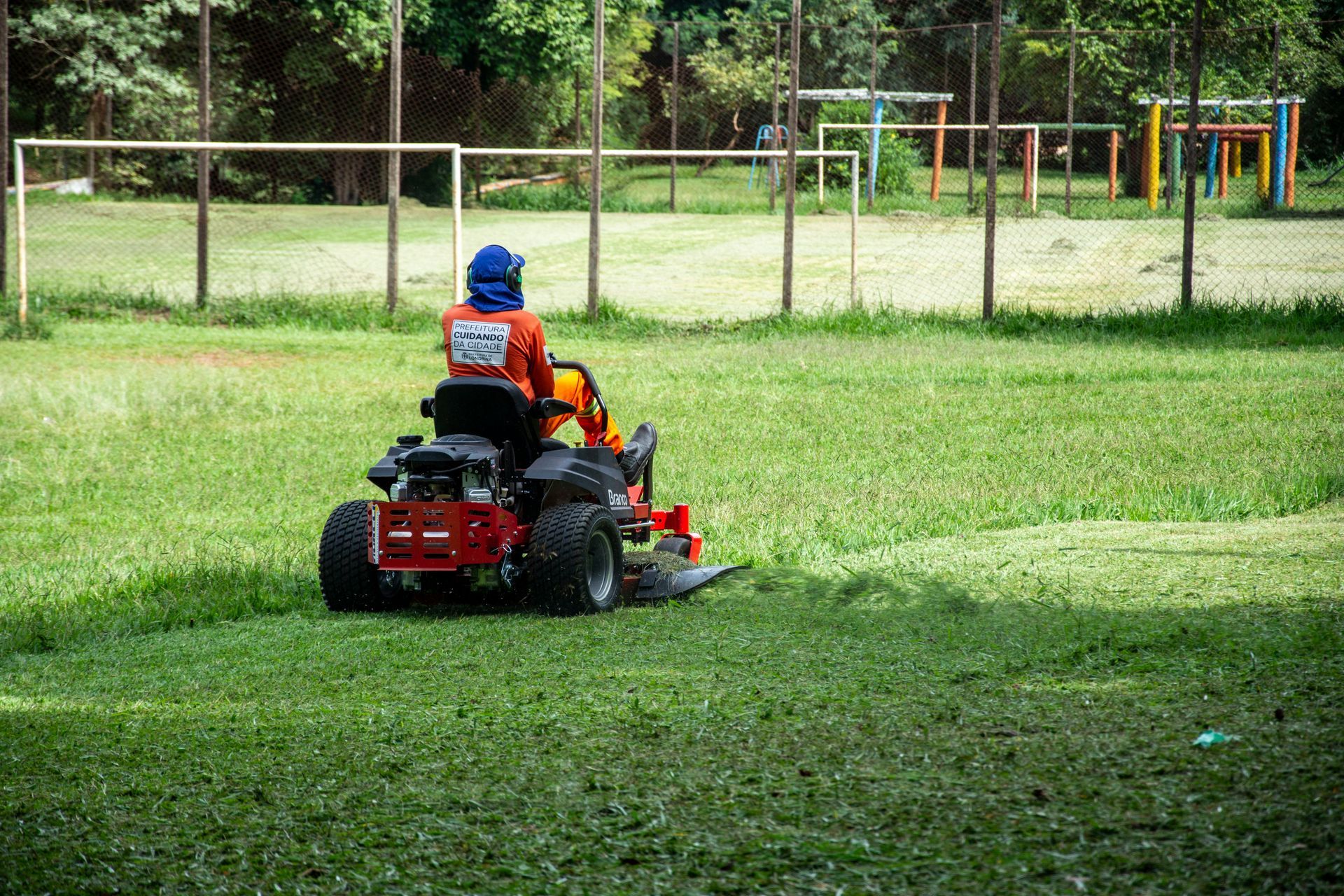
Regular mowing does more than cut grass shorter—it encourages lateral growth that fills in bare spots, prevents weeds from establishing seed heads, and reduces thatch buildup that can suffocate root systems. When you mow at the correct height for your turf variety, the grass develops a denser root structure that better withstands drought and foot traffic.
After a full season of scheduled service, you'll notice lawns that recover faster from stress, maintain color longer during dry spells, and require less intervention for weed control. VT Developments structures mowing schedules to remove no more than one-third of the blade height per cut, which avoids shocking the plant and promotes healthier regrowth between visits.
For larger properties, the service includes coordinating access to gated areas, working around parked vehicles, and adjusting routes to minimize disruption during high-traffic hours. Equipment selection varies based on terrain—steep slopes or tight corners may require different mowers than wide-open common areas to ensure even results without damaging turf.
What Property Managers Usually Ask
Mowing schedules depend on several factors, and understanding what influences frequency, appearance, and long-term turf health helps you evaluate service quality and plan for seasonal needs.
How often should mowing occur during peak growing season?
In Bloomington, grass typically requires cutting every five to seven days during May and June when rainfall and temperatures promote rapid growth, then transitions to every ten to fourteen days as summer heat slows growth rates and moisture becomes less consistent.
What happens to clippings after mowing?
Clippings can be mulched back into the lawn to return nutrients and moisture to the soil, or they can be bagged and removed if the grass was allowed to grow too tall or if the property requires a cleaner appearance for events or showings.
Why do some areas look uneven after mowing?
Uneven terrain, scalping from mowing too low, or dull blades that tear rather than cut grass cleanly all contribute to inconsistent appearance—proper mowing maintains blade sharpness and adjusts deck height to follow ground contours without removing too much at once.
When should mowing schedules adjust for weather?
During drought conditions or extended heat, raising the mowing height helps grass retain moisture and shade roots, while wet conditions may require delaying service to avoid soil compaction and rutting that damages turf and creates drainage problems.
What should be done before the mowing crew arrives?
Clearing toys, hoses, branches, and other debris from the lawn prevents equipment damage and ensures the crew can complete the work efficiently without interruptions or safety hazards that slow progress.
VT Developments coordinates mowing services based on property type and seasonal conditions, ensuring lawns remain healthy and visually consistent without requiring constant oversight. Contact us to establish a maintenance schedule tailored to your property's specific turf conditions and usage patterns.