
Surfaces Cleared Before Operations Begin
Snow Removal in Bloomington for properties needing accessible driveways, walkways, and parking areas during winter storms
When snow accumulates overnight and parking lots become impassable by morning, tenants and visitors face delayed commutes, safety risks, and difficulty accessing buildings. VT Developments provides snow removal for residential and commercial properties in Bloomington, clearing driveways, parking lots, sidewalks, and entry points so normal operations continue regardless of weather conditions. Multi-unit properties and HOAs benefit from scheduled or on-call service that monitors incoming storms and responds before accumulation blocks access or creates liability exposure.
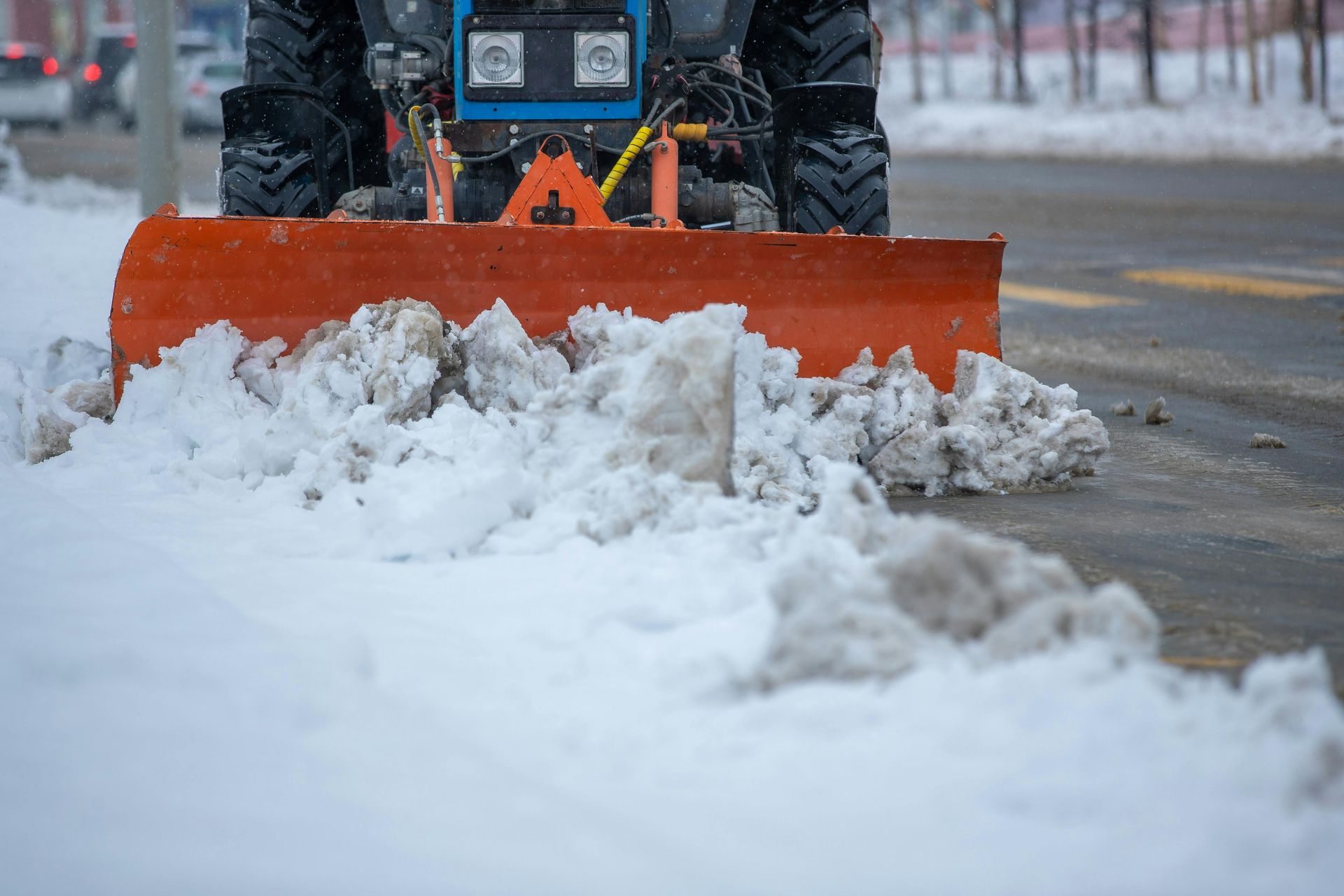
The process includes plowing to push snow off paved surfaces, shoveling walkways and entrances where equipment can't reach, and applying salt or de-icing materials to prevent ice formation as temperatures fluctuate. For larger properties, crews often return during active snowfall to maintain clearance rather than waiting until the storm ends, which prevents compacted layers that become harder to remove and more dangerous underfoot.
Arrange an on-site evaluation to map priority zones and establish trigger depths that activate service calls.
How Snow Removal Addresses Winter Access
Effective snow removal requires understanding how different materials and timing affect results—plowing too early wastes resources, while waiting too long allows snow to compact into ice that resists both mechanical removal and chemical treatment. De-icing applications work best when applied before or during early accumulation, as salt needs moisture to activate and temperatures above 15 degrees to remain effective.
After a storm cycle, you'll see parking spaces that remain accessible without ice patches, walkways where foot traffic doesn't create slick compression zones, and entryways that allow safe passage without requiring tenants to navigate piles or pooled meltwater. VT Developments prioritizes fire lanes, handicap access routes, and main thoroughfares first, then addresses secondary lots and less-trafficked paths once critical areas are secured.
Service agreements typically define what accumulation depth triggers a response, where snow gets staged or piled, and whether crews return for re-treatment if temperatures drop and residual moisture refreezes. Properties with limited staging areas may require hauling snow off-site during heavy storms to maintain parking capacity.
Answers to Frequent Service Questions
Winter weather in Bloomington varies significantly from storm to storm, and property managers need clarity on how service responds to different conditions and what factors influence cost and scheduling.
What snow depth triggers a service visit?
Most contracts define a trigger depth between two and three inches, which balances cost efficiency with accessibility needs—plowing earlier prevents compaction but increases seasonal visits, while waiting for deeper accumulation risks ice formation and safety complaints.
How does temperature affect de-icing effectiveness?
Rock salt loses effectiveness below 15 degrees Fahrenheit, requiring alternative chemicals like calcium chloride or magnesium chloride for colder conditions, which cost more but work at lower temperatures and cause less concrete and vegetation damage.
Why do some areas refreeze after plowing?
Residual moisture from snow melt or incomplete scraping refreezes when temperatures drop, especially in shaded areas or low spots where water pools—post-storm de-icing applications address this by preventing ice bonding to pavement surfaces.
When should walkways be re-treated during extended storms?
Active snowfall requires re-treatment every few hours to maintain traction, as continuous accumulation buries previous applications and foot traffic compacts snow into slick layers that resist later removal efforts.
What happens to snow piled in parking lots?
Snow piles occupy parking spaces and shrink usable lot capacity, so staging areas should be identified in advance—ideally along perimeters or unused corners where piles won't block traffic flow, drainage, or visibility as they melt over subsequent weeks.
VT Developments structures snow removal agreements around property-specific needs, monitoring weather forecasts and deploying crews based on predicted accumulation and timing. Discuss your property's access priorities and winter activity patterns to establish response protocols that keep operations running safely throughout the season.